
ACIS Books
Every year, ACIS published a volume with selected chapters based on talks from its annual conference.
Challenges and Perspectives of Iberia and Beyond (2025)
This volume offers innovative emerging research on Iberian Studies, approached from an interdisciplinary, multicultural, and transnational perspective. The chapters encompass an array of disciplinary perspectives, from economics, society, and politics, to literature, cinema, and other artistic forms. Core themes revolve around memory and historical revisionism, complemented by intra-Iberian perspectives that emphasize dialogues and exchanges between Portugal and Spain. Cross-border relations within Europe also receive notable attention, particularly Anglo-Iberian contacts and influences in political, historical, and cultural domains. The volume includes comparative studies focusing on literature, cinema, and television series, showcasing the interplay between these artistic forms. Literary representations of regional cultural identities, particularly Basque and Catalan, during times of war and dictatorship, are analysed through the lens of female writers. Transatlantic crossings and influences expand the geographical and cultural scope of Iberian Studies. Cultural and social connections between Portugal, Brazil, Cape Verde, and Angola are explored alongside Spanish-Moroccan relations in recent decades.
Regional, International, and Transatlantic Relations From the Iberian Peninsula to the World (2025)
The Iberian Peninsula, home to modern-day Spain and Portugal, serves as a crossroads of regional, international, and transatlantic relations. The peninsula plays a pivotal role in shaping global interactions through its cultural exchanges and geopolitical alliances. This continues to influence global politics, economics, and cultural identity, making the study of Iberia’s relationships crucial to understanding global trends. By examining its connections across Europe, Africa, the Americas, and beyond, researchers may gain insight into how the Iberian Peninsula shapes and is shaped by the world. Regional, International, and Transatlantic Relations From the Iberian Peninsula to the World explores memory politics and historical revisionism, focusing on dictatorships, migrations and exiles, as well as cross border dialogues between communities within the Iberian Peninsula. It examines international relations, centering on the Anglo-Iberian contacts and influences in the political, historical and cultural domains, and on transatlantic studies in North and South America. This book covers topics such as diplomacy, regional development, and nationalism, and is a useful resource for business owners, historians, government officials, policymakers, academicians, researchers, and scientists.
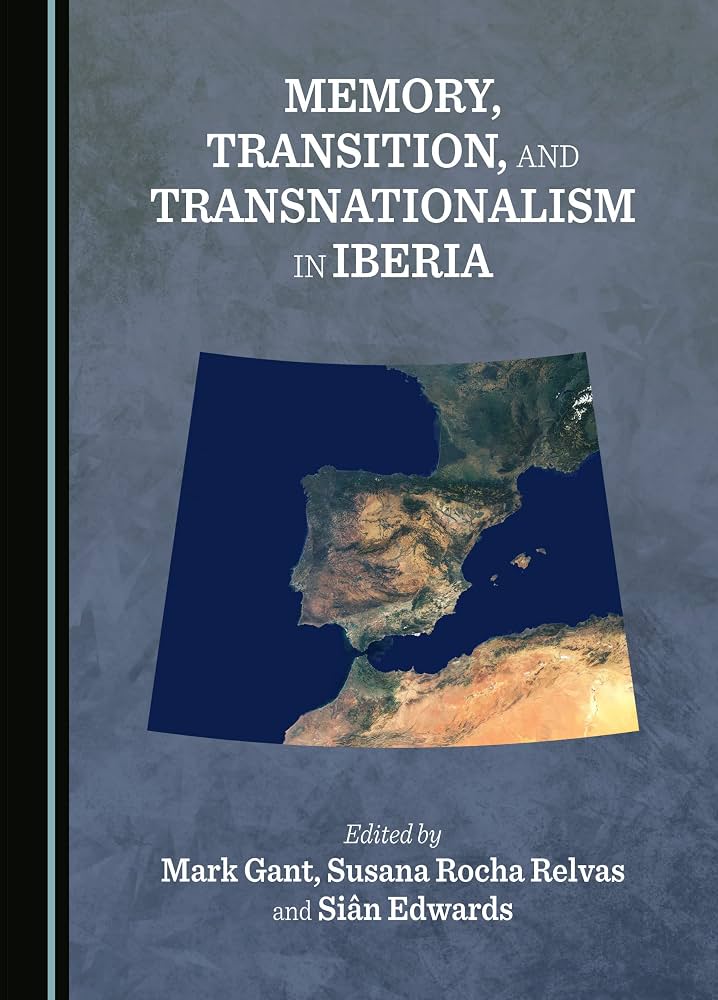
Memory, transition and transnationalism in Iberia (2023)
This volume brings together a wide range of innovative research across the diverse field of Iberian Studies. It will be of interest to academic staff and research students, and will also provide a resource for undergraduate projects and for all those wishing to deepen their knowledge of the Iberian countries and their relationships with other parts of the world. The collection includes cutting-edge work in the fields of memory politics and historical revisionism, peninsular dictatorships, the Spanish Civil War, the Francoist legacy and transition to democracy, and colonial and postcolonial transnational exchanges between Iberia and other continents on a global scale. Within these core themes, pressing topics such as migrations, resistance, memory, exile and trauma, violence, sexuality and feminism, and their literary and artistic representations form the core of the volume. The 16 chapters are written by established and early career researchers from Brazil, India, Ireland, Hungary, Portugal, Spain, the UK, and the USA.
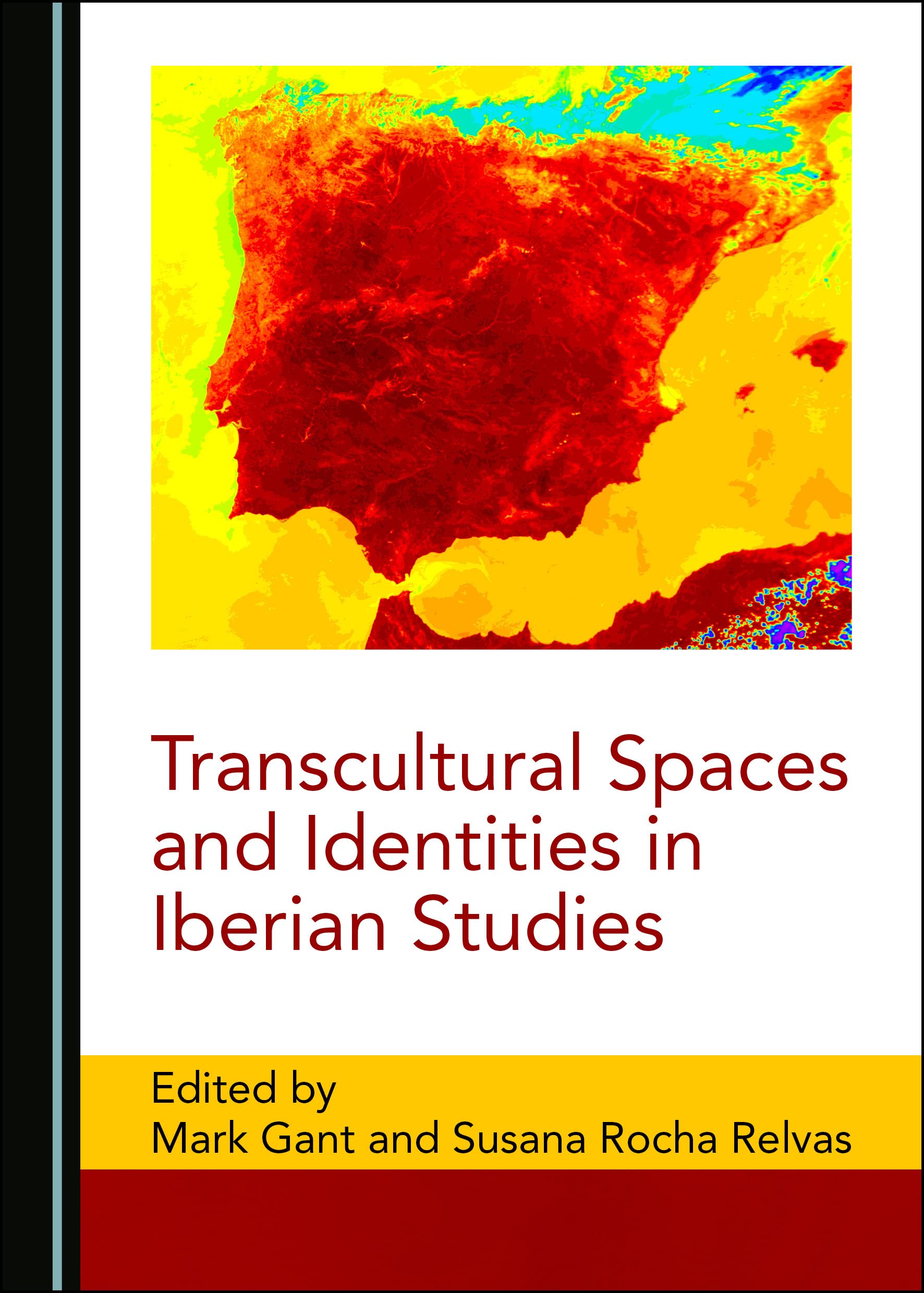
Transcultural Spaces and Identities in Iberian Studies (2020)
This volume brings together innovative research across the diverse field of Iberian Studies, including insights from economics, society, politics, literature, cinema and other art forms, either in a revisionist perspective or incorporating new data. Reflecting recent developments in the field, the subject matter extends beyond the boundaries of Spain and Portugal, as it also includes transnational and transatlantic interconnections with Europe, Africa and the Americas and its scope ranges from the nineteenth century to the effects of the Catalan independence crisis and Brexit. The 18 chapters here are authored by established academics and early career researchers from the UK, Italy, France, Germany, Spain, Portugal, Argentina, Brazil, Japan and the USA. The book will appeal to students, researchers and all who have a particular interest in deepening their understanding of the countries of the Iberian Peninsula.